

Benedict's Law is Here: How English Schools Can Achieve Urgent Allergy Compliance
Benedict's Law is Here: How English Schools Can Achieve Urgent Allergy Compliance
With statutory allergy safety requirements coming into force for schools across England starting September 2026, educational leaders face an urgent legal deadline. Named in memory of five-year-old Benedict Blythe, who tragically suffered a fatal allergic reaction at school in 2021, Benedict's Law elevates allergy safety from an advisory suggestion into a strict statutory obligation under Department for Education guidance.
For Headteachers, Designated Safeguarding Leads (DSLs), and Multi-Academy Trust (MAT) executives, the countdown has ended. True compliance cannot be resolved by circulating an off-the-shelf document or asking staff to complete an unverified e-learning module. Schools need actionable, site-specific operational frameworks, robust pre-hospital care clinical governance, and the assurance that their staff can act decisively in an acute medical emergency.
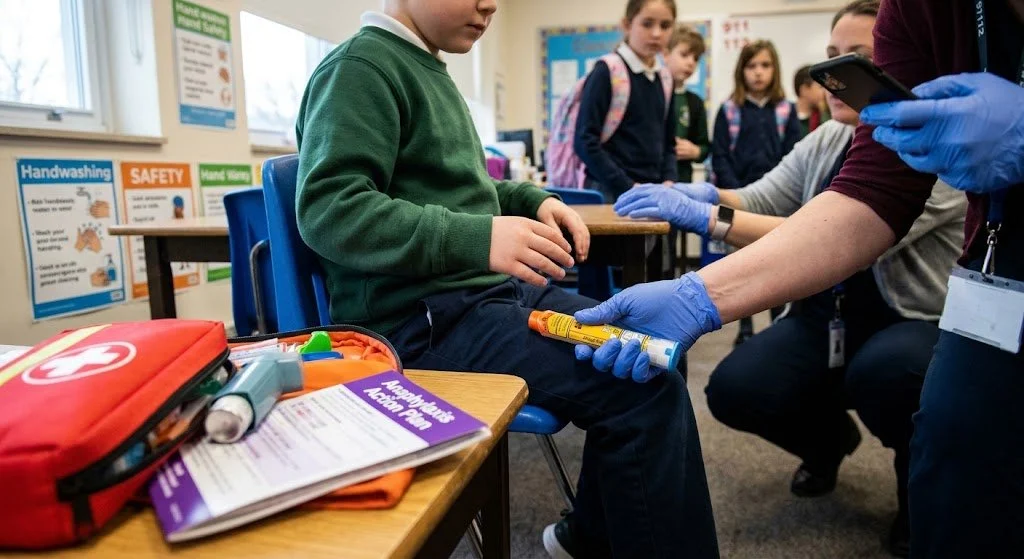
With statutory allergy safety requirements coming into force for schools across England starting September 2026, educational leaders face an urgent legal deadline. Named in memory of five-year-old Benedict Blythe, who tragically suffered a fatal allergic reaction at school in 2021, Benedict's Law elevates allergy safety from an advisory suggestion into a strict statutory obligation under Department for Education guidance.
For Headteachers, Designated Safeguarding Leads (DSLs), and Multi-Academy Trust (MAT) executives, the countdown has ended. True compliance cannot be resolved by circulating an off-the-shelf document or asking staff to complete an unverified e-learning module. Schools need actionable, site-specific operational frameworks, robust pre-hospital care clinical governance, and the assurance that their staff can act decisively in an acute medical emergency.
What Does Benedict's Law Require of Schools?
Benedict's Law establishes clear, enforceable expectations designed to safeguard pupils living with food allergies and anaphylaxis risks. To satisfy statutory requirements, every state and independent school in England must implement:
A Standalone Whole-School Allergy Policy: Allergy safety may no longer be buried inside a broader medical conditions or first aid policy. The document must be an independent, site-specific framework that governs dining halls, classrooms, science laboratories, break times, wrap-around clubs, and off-site educational visits.
Mandatory Practical Staff Training: All personnel must complete annual training, including teaching staff, supply workers, teaching assistants, lunchtime supervisors, and external catering teams. This training must go beyond basic theory to include hands-on auto-injector drills and real-world emergency scenarios.
Robust Individual Healthcare Plans (IHPs): Schools must maintain clear, individualised care plans and keep them immediately accessible for every pupil with an allergy. Crucially, schools must not delay support while waiting for secondary clinical documentation or specialist hospital appointments.
Stock Emergency Adrenaline Auto-Injectors (AAIs): Schools must keep spare, unassigned AAIs in regulated medical storage. These units must be accessible across campus within minutes of symptom onset.
Formal Near-Miss and Incident Governance: When an adverse reaction or near-miss occurs, the school must conduct a structured clinical investigation, log root causes, and escalate findings to senior leadership and governors.
While the statutory duty applies directly to schools in England, national campaigns are advancing rapidly across Wales and Scotland. Regardless of regional borders, Benedict's Law now defines the standard of care expected by parents, coroners, and inspection bodies.
Where Are Schools Most Likely to Have Critical Gaps?
Educational leadership teams often believe their existing health and safety measures are sufficient, only to discover substantial vulnerabilities during a clinical review. When school operations are assessed against real-world pre-hospital care standards, several major gaps routinely emerge:
1. The "Template Trap"
Many schools rely on downloadable, generic policy templates. These static documents look thorough on paper but fail in practice because they do not reflect actual physical layouts, cross-contamination risks in food technology rooms, contractor handover protocols, or sports fixtures.
2. Theoretical E-Learning Without Practical Drills
A tick-box digital slide deck does not build muscle memory. In a severe anaphylactic crisis, every second counts. If a designated first responder has never handled a trainer device or practised a time-critical escalation drill under pressure, response times slow significantly.
3. Procedural Hesitation During Emergencies
During an acute episode, staff often debate whether to administer adrenaline or hesitate before dialling 999 for an emergency ambulance. Without clear, rehearsed protocols and clinical leadership embedded in school procedures, anxiety leads to dangerous delays in pre-hospital care.
4. Fragmented Incident Governance and Root-Cause Tracking
Near-misses, such as a child receiving an incorrect lunch tray that is intercepted at the last second, are rarely logged or investigated systematically. Under Benedict's Law, failing to capture and audit near-miss data leaves systemic flaws uncorrected until a severe emergency occurs.
5. Accessibility Conflicts and GDPR Confusion
Schools frequently struggle to balance pupil privacy with rapid emergency access. Keeping emergency medication locked in an administrative office far from play areas or sports fields directly contradicts the requirement for immediate accessibility.
Bridging the Gap: How Lynas Delivers Immediate Compliance Rescue
Implementing a compliant whole-school safety system alongside daily educational demands is challenging. As a Care Quality Commission (CQC) registered independent organisation led by experienced critical care clinicians, Lynas bridges the gap between statutory directives and frontline school operations through hands-on consultancy, policy development and training.
Our clinical safety team is available right now to provide urgent implementation support, ensuring your schools and academies meet every statutory standard without delay.
Complete Clinical Audits and Risk InspectionsWe conduct comprehensive on-site clinical audits of your facilities, examining kitchen cross-contamination risks, dining hall operations, emergency medication storage, and transition protocols for trips. Our clinicians benchmark your school's current setup directly against national pre-hospital care standards and Department for Education mandates.
Bespoke Policy Design Aligned with National Clinical Guidelines
We do not issue generic paperwork. Our clinicians author custom, audit-ready policies tailored to your site's physical layout, staffing models, and catering arrangements. Every procedure is structured to align with rigorous clinical governance standards, drawing upon JRCALC and NICE best practice principles where appropriate.
Paramedic-Led Practical Training and Emergency Response Drills
Our practical training sessions are designed and delivered by experienced clinicians. We conduct practical simulation drills that empower every staff member, from lunchtime supervisors to senior leaders, to act as a confident first responder during a life-threatening anaphylactic event.
Independent Incident Review and Governor-Level Reporting
Following an adverse reaction or near-miss, Lynas provides objective, independent incident reviews. We lead structured root-cause investigations, formulate actionable clinical recommendations, and generate formal evidence packs that leadership teams can present directly to governing bodies, trust boards, and inspection authorities.
Act Now: Book Your Free Compliance Consultation
With the legal requirements of Benedict's Law taking immediate effect, educational leaders cannot afford to wait for an inspection finding or a playground emergency to uncover vulnerabilities.
Lynas is actively partnering with Headteachers, Designated Safeguarding Leads, and Multi-Academy Trusts across the North West and throughout England to deploy rapid, high-impact clinical safety solutions. Our team is available immediately to evaluate your existing provisions, assess your staff readiness, and implement an audit-proof allergy framework.
We invite senior leadership teams to schedule a free, confidential compliance consultation with our clinical team. During this initial review, we will evaluate your current procedures, identify your highest-risk gaps, and outline a straightforward roadmap to total statutory readiness.
If your team operates in challenging or high-risk environments, don't wait for a compliance gap or medical emergency to find you. Take the next step in securing definitive remote clinical support and expertise. Book a consultation with the expert team at Lynas today to discuss your specific operational requirements and learn how we can fill your essential pre-hospital care needs.

Beyond Compliance: Why Non-NHS Providers Should Embrace PSIRF for Patient Safety
The Voice on the Line: Why Who You Call Matters More Than the Protocol
If you work in pre-hospital care, you know the feeling. It is 3 a.m., it is raining, and the patient in front of you does not fit neatly into a JRCALC guideline or a specific pathway. You have done your assessment, you have a plan forming, but there is a nagging grey area. You pick up the phone.
In that moment, the technology connecting you does not matter. The robust governance framework in the background does not matter. The only thing that matters is the person on the other end of the line.
For a long time, the conversation around remote clinical support has focused on systems, "top cover," and compliance. But we need to have a deeper conversation about the "Who." Because when you strip away the logistics, clinical advice is a human interaction. It is one clinician reaching out to another in a moment of uncertainty.

The landscape of patient safety in the UK has undergone its most significant transformation in a generation. The transition from the old Serious Incident Framework to the Patient Safety Incident Response Framework (PSIRF) marks a fundamental shift in how healthcare organisations perceive, investigate, and learn from clinical incidents. While the mandate for PSIRF initially focused on NHS trusts, the ripple effects are being felt across the entire independent sector.
For non-NHS healthcare organisations, including private ambulance services, event medical providers, and independent clinics, adopting PSIRF is no longer just an option for the future. It is rapidly becoming the benchmark for clinical excellence. Moving toward this framework is a clear signal to commissioners and regulators like the Care Quality Commission (CQC) that your organisation is committed to a sophisticated, systems-based approach to safety.
Understanding the Cultural Shift: From Blame to Learning
Historically, incident investigation in pre-hospital care often relied on Root Cause Analysis (RCA). While well-intentioned, RCA frequently focused on finding a single point of failure, often leading to individual "human error" being blamed for complex systemic issues. PSIRF dismantles this approach.
The framework is built on the principle that safety is not merely the absence of incidents, but the presence of robust, resilient systems. When a paramedic or first responder is involved in a safety event, PSIRF asks "how" the system allowed that event to occur, rather than "who" is to blame. For independent providers, this cultural shift is essential for retaining high-quality staff and fostering an environment where clinical concerns are raised early and without fear.
The Power of Proportionality and Strategic Response
One of the most significant advantages of PSIRF for smaller or medium-sized organisations is the concept of proportionality. Under previous frameworks, providers often felt compelled to perform exhaustive investigations into every "serious incident," regardless of whether new learning could be gained. This often led to a "tick-box" exercise that drained resources without improving safety.
PSIRF allows organisations to be strategic. It empowers clinical leaders to decide where to focus their investigative energy. By using clinical advice and data-driven insights, you can identify which incidents offer the greatest opportunity for systemic improvement. This means a private ambulance service can conduct a light-touch "learning response" for well-understood issues, while reserving deep-dive investigations for novel or high-risk systemic gaps.
The Challenge of Implementation: Why Consultancy Matters
Transitioning to PSIRF as a best-practice model requires more than just a change in terminology; it requires a structural overhaul of clinical governance. For many independent providers, the challenge lies in developing a Patient Safety Incident Response Plan (PSIRP) that is both compliant and operationally realistic.
This is where specialist PSIRF consultancy becomes essential. A bespoke plan must reflect your specific operational reality, defining how you identify incidents and how you ensure that "learning" actually leads to "change." Professional consultancy ensures that your framework is not just a copy of an NHS trust policy, but a functional tool tailored to the unique risks of deployed or expeditionary medical teams.
Upskilling Your Team: Investigation Training
Investigating under PSIRF requires a different skillset than traditional RCA. It involves a deep understanding of human factors, ergonomics, and organisational psychology. To move away from the "who did it" mentality, your internal investigators need to be trained in systems thinking.
Robust learning response investigator training equips your staff to conduct interviews that are psychologically safe, map complex system interactions, and produce reports that drive meaningful improvement. For many organisations, the goal is to build this capability internally, ensuring that the paramedic or clinical lead on the ground has the tools to contribute to a culture of safety.
Demonstrating Excellence to Regulators
While not yet a universal legal requirement for every independent provider, the CQC increasingly looks for evidence of "systems-wide learning" during inspections. Organisations that can demonstrate a robust, PSIRF-aligned approach to safety are significantly more likely to achieve "Good" or "Outstanding" ratings in the "Well-Led" and "Safe" domains.
Adopting PSIRF is a proactive move. It mitigates risk, improves patient outcomes, and provides a clear, defensible structure for clinical governance that stands up to the highest levels of scrutiny. By investing in external consultancy and internal training, you demonstrate a level of maturity in your patient safety processes that is highly valued by commissioners and partners alike.
Building Your Internal Safety Net
The transition to PSIRF is an investment in your organisation's future. By shifting the focus from individual error to systemic resilience, you create a safer environment for patients and a more supportive workplace for your clinicians. Whether you are a small provider looking to professionalise your governance or a large organisation needing to train a new cohort of investigators, the framework provides the roadmap for excellence in pre-hospital care.
If your team operates in challenging or high-risk environments, don't wait for a compliance gap or medical emergency to find you. Take the next step in securing definitive remote clinical support and expertise. Book a consultation with the expert team at Lynas today to discuss your specific operational requirements and learn how we can fill your essential pre-hospital care needs.

Safety Nets and Sounding Boards: Finding the Right Support in Pre-Hospital Care
The Voice on the Line: Why Who You Call Matters More Than the Protocol
If you work in pre-hospital care, you know the feeling. It is 3 a.m., it is raining, and the patient in front of you does not fit neatly into a JRCALC guideline or a specific pathway. You have done your assessment, you have a plan forming, but there is a nagging grey area. You pick up the phone.
In that moment, the technology connecting you does not matter. The robust governance framework in the background does not matter. The only thing that matters is the person on the other end of the line.
For a long time, the conversation around remote clinical support has focused on systems, "top cover," and compliance. But we need to have a deeper conversation about the "Who." Because when you strip away the logistics, clinical advice is a human interaction. It is one clinician reaching out to another in a moment of uncertainty.
The Voice on the Line: Why Who You Call Matters More Than the Protocol
If you work in pre-hospital care, you know the feeling. It is 3 a.m., it is raining, and the patient in front of you does not fit neatly into a JRCALC guideline or a specific pathway. You have done your assessment, you have a plan forming, but there is a nagging grey area. You pick up the phone.
In that moment, the technology connecting you does not matter. The robust governance framework in the background does not matter. The only thing that matters is the person on the other end of the line.
For a long time, the conversation around remote clinical support has focused on systems, "top cover," and compliance. But we need to have a deeper conversation about the "Who." Because when you strip away the logistics, clinical advice is a human interaction. It is one clinician reaching out to another in a moment of uncertainty.
The Difference Between a Tickbox and a Safety Net
When we talk about remote support, we often combine authorisation with advice.
Authorisation is procedural. It is ringing up because a PGD says you must, or because a policy dictates that a specific decision—like terminating resuscitation—requires a second signature. In these instances, the person on the phone is taking the decision away from you. They are assuming the risk and the responsibility, at least in part.
Advice is different. Advice should be empowering.
Ideally, the person on the end of the phone acts as a safety net for the patient, not just a permissions granter for the clinician. They are there to spot the holes in your plan that you might have missed because you are task-saturated. They are the cool head in a chaotic environment, capable of hearing what you are saying (and what you are not saying) to ensure the patient is safe.
The Advisor as a "Vocal Coach"
There is a fantastic analogy for what high-quality clinical support should look like: a vocal coach.
A vocal coach does not sing the song for you. They do not push you off stage and take the microphone because they think they can do it better. Instead, they help you get the best out of your voice. They nurture your ability, giving you the techniques and confidence to perform.
In a clinical setting, a good remote advisor does exactly this. They do not just give you the answer and hang up. They coach you through the decision-making process. They might ask, "Have you considered this diagnostic test?" or "Why do you think the patient fell?" rather than just focusing on the injury.
This approach transforms a transaction into a learning opportunity. It means that the next time you face a similar situation, you are better equipped to handle it. You leave the call feeling backed up, not overruled.
The Importance of Shared Experience
To be that safety net and that coach, the person on the line needs to be credible.
Empathy in pre-hospital care is born from shared experience. It is difficult to advise a paramedic on a muddy roadside extraction or a complex social discharge if you have never stood in that environment yourself.
The advisor needs to have "walked a day in your shoes." They need to be able to visualise the scene you are describing, understand the subtle pressures of the environment, and appreciate the limitations of the kit you are carrying. When the person on the phone understands the context, the advice shifts from theoretical textbook answers to practical, operational reality.
Empowerment Over Control
Ultimately, the goal of any support service should be to empower the clinician on the ground.
We have moved past the days of "Josh in Casualty"—the lone wolf paramedic making every decision in isolation. But we must be careful not to swing too far the other way, where clinicians feel like they are constantly asking for permission to do their jobs.
The "Who" in your support network should be someone who trusts you. They should be a peer who respects your assessment but has the experience to challenge it constructively. When that dynamic is right, it stops being a compliance hoop to jump through and becomes a genuine tool for patient safety.
It changes the feeling of the job. You are no longer alone on that dark, rainy shift. You are part of a team, connected to a peer who has your back, helps you grow, and ensures your patient gets the best possible care.
If your team operates in challenging or high-risk environments, don't wait for a compliance gap or medical emergency to find you. Take the next step in securing definitive remote clinical support and expertise. Book a consultation with the expert team at Lynas today to discuss your specific operational requirements and learn how we can fill your essential pre-hospital care needs. The Lynas Advantage: Your Clinical Safety Net
Lynas’s Safety & Support Centre is regulated by the Care Quality Commission (CQC) and offers:
24/7 Access to Advanced Paramedic Practitioners: A direct line to experts with years of NHS, events, and other experience.
Real-Time Clinical Decision Support: Immediate guidance 24/7 on complex cases like paediatric emergencies, mental health crises, and safeguarding.
Surge Capacity & Crisis Backup: Seamlessly supporting overwhelmed teams during peaks in demand, staff absences, or major incidents.
Robust Clinical Governance: Including robust audits and secure, searchable records of all advice provided.
We bridge the gap between frontline challenges and clinical best practice, empowering your organisation to mitigate risk with real-time expert guidance and enhance compliance.
If your team operates in challenging or high-risk environments, don't wait for a compliance gap or medical emergency to find you. Take the next step in securing definitive remote clinical support and expertise. Book a consultation with the expert paramedic team at Lynas today to discuss your specific operational requirements and learn how we can fill your essential pre-hospital care needs.

Beyond the Stereotype: Clinical Oversight and Risk Stratification for the Intoxicated Patient
Beyond the Stereotype: Clinical Oversight and Risk Stratification for the Intoxicated Patient
In the demanding world of pre-hospital care, few presentations are as common, yet as clinically fraught, as the intoxicated patient. For many frontline staff, the "Saturday night" stereotype can lead to a dangerous level of complacency. However, when viewed through the lens of clinical advice and safety, intoxication should never be treated as a simple diagnosis. It is a complex, high-risk, and low-frequency decision-making area that demands the highest level of expert paramedic oversight.
At Lynas, we understand that managing these patients in the field or in remote environments requires more than just patience; it requires a robust framework for risk stratification. This article explores why intoxication is the ultimate "clinical red herring" and how remote clinical support can help teams navigate the physiological and legal complexities involved.
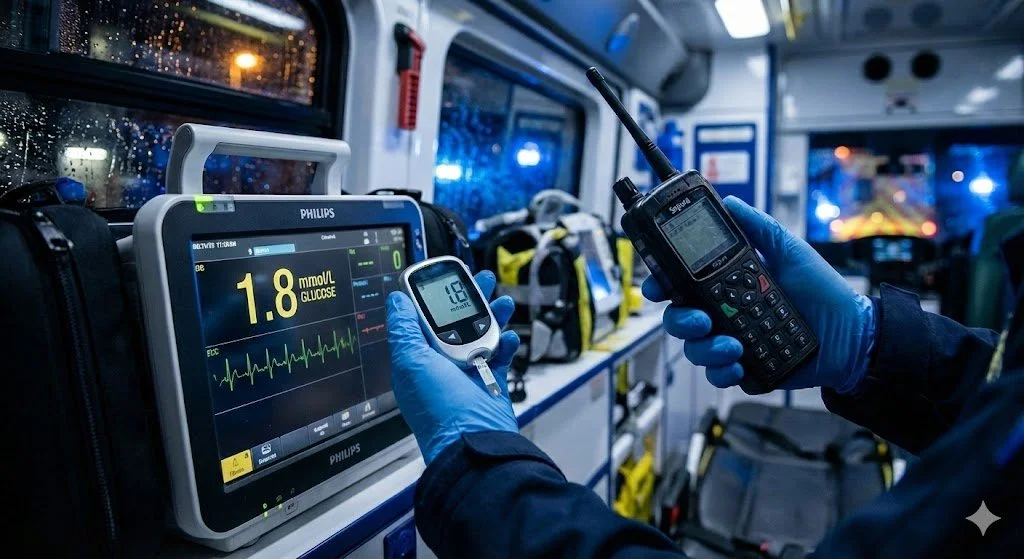
In the demanding world of pre-hospital care, few presentations are as common, yet as clinically fraught, as the intoxicated patient. For many frontline staff, the "Saturday night" stereotype can lead to a dangerous level of complacency. However, when viewed through the lens of clinical advice and safety, intoxication should never be treated as a simple diagnosis. It is a complex, high-risk, and low-frequency decision-making area that demands the highest level of expert paramedic oversight.
At Lynas, we understand that managing these patients in the field or in remote environments requires more than just patience; it requires a robust framework for risk stratification. This article explores why intoxication is the ultimate "clinical red herring" and how remote clinical support can help teams navigate the physiological and legal complexities involved.
The Danger of Diagnostic Overshadowing
One of the most significant risks clinicians face is "diagnostic overshadowing." This is a cognitive bias where a practitioner sees a patient who smells of alcohol, is slurring their words, and perhaps being difficult, and assumes every symptom is caused by ethanol. In reality, alcohol is a mask.
As an experienced first responder, your job is not to prove that a patient is drunk. Your job is to prove they are not dying of something else. Alcohol inhibits the central nervous system, meaning it can mask the early signs of rising intracranial pressure. A patient who has fallen while intoxicated might not show the typical Cushing’s triad or focal neurological deficits until they are coning. We must always consider that a reduced Glasgow Coma Scale (GCS) in a patient who has been drinking could just as easily be:
A subdural haematoma or other traumatic brain injury.
An ischaemic or haemorrhagic stroke.
Post-ictal confusion following an unwitnessed seizure.
If a clinician labels a patient as "just a drunk," they have effectively stopped their diagnostic process. This is exactly where serious clinical errors occur and where coroners' cases often begin.
Airway Management: The Highest Immediate Risk
From a physiological perspective, airway management is the highest immediate risk for the intoxicated patient. Ethanol is both a potent gastric irritant and a CNS depressant. In the back of an ambulance, this combination can be dangerous.
These patients often lose their protective airway reflexes. Their gag and cough reflexes are significantly diminished, making them unable to clear their own airway when they vomit. Silent aspiration is a major killer in this cohort. When gastric acid is inhaled into the lungs, it leads to chemical pneumonitis and, eventually, Acute Respiratory Distress Syndrome (ARDS).
Furthermore, positioning an intoxicated patient for airway protection is a physical challenge. Maintaining a lateral decubitus position on a narrow stretcher with a patient who may be flaccid or intermittently combative requires constant vigilance. These patients require continuous, one-to-one visual monitoring. They cannot simply be "put in the back" while the crew focuses elsewhere.
Metabolic and Environmental Traps
The "hypo trap" is a common failure in the basic standard of care. Ethanol inhibits gluconeogenesis in the liver. Whether it is a chronic heavy drinker or an adolescent on a binge, these patients can easily become profoundly hypoglycaemic. Every single intoxicated patient must have their blood glucose level checked. A patient written off as "comatose from drink" may actually be in a life-threatening hypoglycaemic coma.
We must also consider environmental risks. Alcohol causes peripheral vasodilation, which gives the patient a false sense of warmth while their core temperature is actually plummeting. In the UK, hypothermia is a year-round risk for intoxicated patients collapsed on cold surfaces. Hypothermia interferes with blood clotting, which, when combined with alcohol’s inherent anti-platelet effect, makes any traumatic injury significantly more dangerous.
The Modern "Cocktail" Risk
In the current pre-hospital care landscape, we are rarely dealing with pure ethanol. Most patients involve poly-pharmacy, whether it is prescribed gabapentinoids, diverted benzodiazepines, or synthetic cannabinoids. These substances synergise with alcohol to create unpredictable respiratory depression.
A patient might appear stable initially, but as the different peaks of these substances hit their system, they can rapidly progress to respiratory arrest. This is why top cover and constant monitoring are essential for "the quiet ones." While a shouting patient is moving air, the quiet, sleeping patient is the one at risk of stopping breathing.
Legal and Ethical Frameworks: The Mental Capacity Act
Determining capacity in an intoxicated patient is one of the most difficult tasks a paramedic performs. Under the Mental Capacity Act (MCA) 2005, capacity is time-specific and decision-specific. However, alcohol creates a "fluctuating capacity" that is notoriously hard to document.
The risk is twofold: leaving a patient at home who lacks capacity, resulting in harm, or taking a patient to the hospital against their will, leading to allegations of assault. The "Best Interests" framework is our primary tool here. If a patient is so intoxicated that they cannot understand, retain, or weigh up information regarding their health, we have a duty of care to act.
Your documentation must be bulletproof. It is essential to record:
Exactly why you believe they lacked capacity.
What specific risks were explained to them.
Why the actions taken were the least restrictive option to save their life.
Conclusion: Intoxication as a Complication, Not a Diagnosis
To maintain clinical safety, we must treat intoxication as a complication rather than a diagnosis. Clinicians must maintain a high index of suspicion for trauma, metabolic derangement, and poly-pharmacy. Never let a patient’s behaviour erode your clinical standards.
By approaching every intoxicated patient as a high-risk medical emergency until proven otherwise, you ensure the safest possible outcome for the patient and the most robust protection for you and your organisation. Providing teams with reach back to expert paramedic advice ensures that these complex decisions are made with the support and oversight they deserve.
If your team operates in challenging or high-risk environments, don't wait for a compliance gap or medical emergency to find you. Take the next step in securing definitive remote clinical support and expertise. Book a consultation with the expert team at Lynas today to discuss your specific operational requirements and learn how we can fill your essential pre-hospital care needs.
The Lynas Advantage: Your Clinical Safety Net
Lynas’s Safety & Support Centre is regulated by the Care Quality Commission (CQC) and offers:
24/7 Access to Advanced Paramedic Practitioners: A direct line to experts with years of NHS, events, and other experience.
Real-Time Clinical Decision Support: Immediate guidance 24/7 on complex cases like paediatric emergencies, mental health crises, and safeguarding.
Surge Capacity & Crisis Backup: Seamlessly supporting overwhelmed teams during peaks in demand, staff absences, or major incidents.
Robust Clinical Governance: Including robust audits and secure, searchable records of all advice provided.
We bridge the gap between frontline challenges and clinical best practice, empowering your organisation to mitigate risk with real-time expert guidance and enhance compliance.
If your team operates in challenging or high-risk environments, don't wait for a compliance gap or medical emergency to find you. Take the next step in securing definitive remote clinical support and expertise. Book a consultation with the expert paramedic team at Lynas today to discuss your specific operational requirements and learn how we can fill your essential pre-hospital care needs.

From Minor Illness to Major Trauma: Supporting Essential Pre-Hospital Care for Deployed Teams
Teams operating in remote, deployed, or hostile environments, from expedition medics and news crews in conflict zones to close protection and rescue operatives, face a constant challenge: distance from high-quality healthcare. When a medical event occurs, the decisions made in those critical moments are often the difference between a mission's success and its abrupt, costly failure, or even a life-changing outcome for a team member.
In these contexts, your on-the-ground capability, whether a dedicated medic or a highly trained First responder, is essential, but it is rarely enough on its own. The true safety net lies in having immediate, remote access to expert paramedic support. This article explores two very different, yet equally critical, scenarios where this remote clinical support is not just an asset, but an absolute necessity.
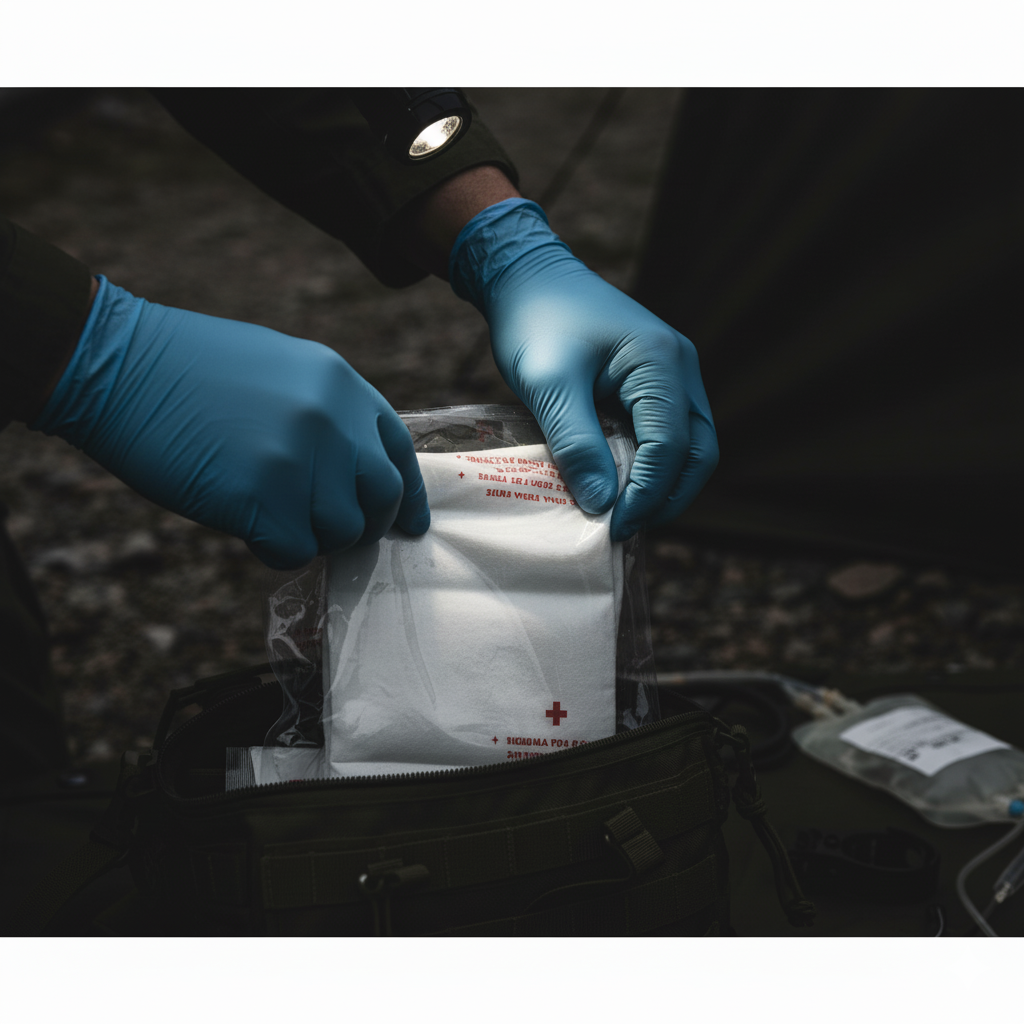
Introduction
Teams operating in remote, deployed, or hostile environments, from expedition medics and news crews in conflict zones to close protection and rescue operatives, face a constant challenge: distance from high-quality healthcare. When a medical event occurs, the decisions made in those critical moments are often the difference between a mission's success and its abrupt, costly failure, or even a life-changing outcome for a team member.
In these contexts, your on-the-ground capability, whether a dedicated medic or a highly trained First responder, is essential, but it is rarely enough on its own. The true safety net lies in having immediate, remote access to expert paramedic support. This article explores two very different, yet equally critical, scenarios where this remote clinical support is not just an asset, but an absolute necessity.
The Cost of Uncertainty: Saving the Mission
For organisations with high-value personnel or complex, expensive logistics, a seemingly minor injury or illness can trigger a major operational collapse.
Scenario: The High-Value Principal and Minor Illness
Consider a news media team operating in a conflict region, backed by a significant security detail. The lead principal, a single point of failure, sustains a minor injury or illness. The team's immediate, unadvised reaction is critical:
The Risk: Without immediate, expert paramedic input, the on-site security or medic may default to the safest, most conservative option: immediate evacuation. This decision would cancel the deployed operation, incurring a huge, unnecessary financial cost to the organisation.
The Solution: Real-Time Clinical Advice
By having a direct line to remote clinical support, the on-site medic or First responder can speak to an expert. They can describe the injury or illness, the patient's status, and receive clinical advice on management options. This guidance can determine if the condition can be safely managed in the field with a plan for later care, allowing the costly operation to continue. This use of pre-hospital care expertise saves missions and protects budgets.
Saving the Limb: High-Stakes Clinical Decisions
At the other end of the scale are high-acuity, life-or-limb-threatening injuries where the standard of care is time-sensitive and requires deep, specialist knowledge, even when a trained medical team is present.
Scenario: Tourniquet De-escalation
Imagine a deployed medical team protecting a principal during a hostile event, such as a terror attack. They successfully manage the threat and apply an arterial tourniquet to a severe haemorrhage. However, the extrication to the nearest safe healthcare facility is prolonged.
The Challenge: Once the initial "adrenaline phase" has passed, the team must address tourniquet time. Prolonged application can lead to the loss of a limb. The decision to de-escalate the tourniquet to a direct pressure dressing can promote the salvageability of the limb, but this is a complex, high-risk clinical decision that requires expertise and governance.
The Solution: Expert Governance and Support
The ability to contact remote clinical support in that moment is life-changing. An expert paramedic can guide the deployed medical team through the assessment, helping them to correctly and safely de-escalate the device. This clinical advice transforms a static emergency response into a dynamic, life-limb-saving medical intervention, a true application of advanced pre-hospital care.
The Lynas Advantage: Your Clinical Safety Net
These two examples, from minor illness management to major trauma decision-making, highlight the vast spectrum of needs for deployed teams. Lynas’s Safety & Support Centre is regulated by the Care Quality Commission (CQC) and offers:
24/7 Access to Advanced Paramedic Practitioners: A direct line to experts with years of NHS, events, and other experience.
Real-Time Clinical Decision Support: Immediate guidance 24/7 on complex cases like paediatric emergencies, mental health crises, and safeguarding.
Surge Capacity & Crisis Backup: Seamlessly supporting overwhelmed teams during peaks in demand, staff absences, or major incidents.
Robust Clinical Governance: Including robust audits and secure, searchable records of all advice provided.
We bridge the gap between frontline challenges and clinical best practice, empowering your organisation to mitigate risk with real-time expert guidance and enhance compliance.
If your team operates in challenging or high-risk environments, don't wait for a compliance gap or medical emergency to find you. Take the next step in securing definitive remote clinical support and expertise. Book a consultation with the expert paramedic team at Lynas today to discuss your specific operational requirements and learn how we can fill your essential pre-hospital care needs.

Safeguarding: Protecting Your Teams from the Unreported Risk
Safeguarding: Protecting Your Teams from the Unreported Risk
Every day, pre-hospital crews encounter situations that trigger a deep, immediate anxiety: a vulnerable adult with care needs and suspicious injuries, or a vulnerable child whose injury pattern simply does not match the explanation. The immediate fear is two-fold. What if the crew fails to escalate a genuine concern, leading to continued harm? Equally, what if they over-escalate and unnecessarily accuse a family in an honest but complex situation?

The Most Difficult Decision on Scene
Every day, pre-hospital crews encounter situations that trigger a deep, immediate anxiety: a vulnerable adult with care needs and suspicious injuries, or a vulnerable child whose injury pattern simply does not match the explanation. The immediate fear is two-fold. What if the crew fails to escalate a genuine concern, leading to continued harm? Equally, what if they over-escalate and unnecessarily accuse a family in an honest but complex situation?
The Compliance Gap That Attracts Scrutiny
For the pre-hospital organisation, this anxiety is a massive governance vulnerability. Caselaw, including highly scrutinised reviews, demonstrates that the greatest risk lies in the failure to act or the failure to document the rationale for not acting. You cannot afford to rely on frontline responders with minimal training and exposure to document and defend your reputation against a retrospective investigation.
The Intervention: CQC-Registered Safeguarding Authority
Lynas Clinical provides immediate, expert coverage for this exact scenario. When your crew calls our Safety and Support Centre, they connect instantly with clinicians who hold Level 3 Safeguarding training and extensive experience managing complex adult and child cases.
Our expert does not just offer advice; they provide a clear, documented path forward. They guide the crew through the specific referral thresholds, help them document the safeguarding concern accurately, and, crucially, we have dedicated, nationwide processes to access safeguarding services. We take the lead role in the multi-agency referral and notification process, ensuring that the organisation's statutory duty is not just met, but demonstrably exceeded.
The Outcome: Audited Protection and Confidence
The positive result is the timely initiation of the multi-agency response. By transferring the burden of the complex escalation decision to our CQC registered experts, your organisation achieves two critical outcomes:
Patient Protection: The vulnerable person receives the earliest possible intervention, reducing the risk of serious harm or death.
Organisational Defence: You receive robust audio and written records of the detailed, comprehensive assessment and decision-making, which protects your organisation and your crews from subsequent criticism or investigation.
Next Step: Is your service's safeguarding process robust enough to withstand the next serious case review? Contact us today to discuss your compliance gaps.

How Much Is Your Clinical Support Delay Costing You? The Truth About Lost Ambulance Hours.
How Much Is Your Clinical Support Delay Costing You? The Truth About Lost Ambulance Hours.
For large ambulance services, demand surge isn't a surprise—it's a critical operational problem that directly impacts efficiency, patient safety, and the bottom line.
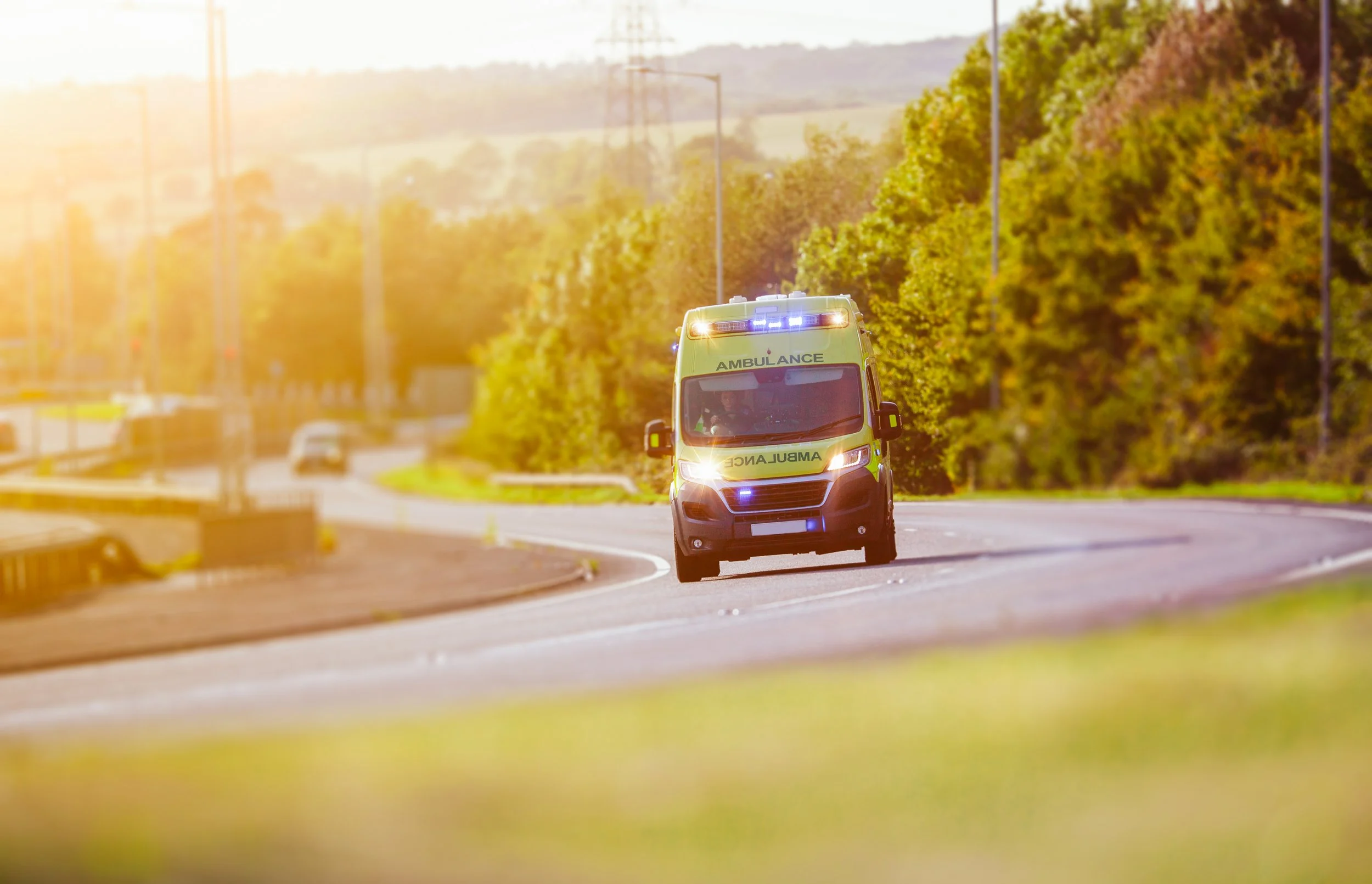
For large ambulance services, demand surge isn't a surprise—it's a critical operational problem that directly impacts efficiency, patient safety, and performance.
The Operational Drag
Your internal remote clinical support system is expertly designed for baseline demand. However, during predictable peaks, that internal system becomes critically overwhelmed. The result is the costly and frustrating reality of lost ambulance hours.
Every minute an ambulance crew is waiting for a callback to authorise a discharge on scene is a minute they are unavailable for the next high-priority incident in the community. At times of peak demand for ambulances, this delay severely compromises service-wide coverage, leading to longer response times and increased safety burdens across your entire fleet.
The Lynas Safety and Support Centre: Your Seamless Resilience Partner
The solution is not over-staffing your internal clinical team for a peak that only occurs for a few hours a day. The solution is immediate, scalable clinical resilience.
Lynas Clinical integrates with your existing infrastructure, acting as your seamless Tier 2 overflow support. Our intervention is flexible:
Custom Thresholds: Phone systems can be set to automatically divert calls to our advanced paramedic advisors if the crew's wait time exceeds a set threshold (e.g., 15 minutes).
Protocol Integration: We can operate using your existing protocols and policies, or leverage our own robust, CQC-registered governance framework.
Instant Scalability: We provide high-quality, expert support precisely when your internal system is strained, ensuring zero capacity risk.
The Outcome: Cost Recovery and Service-Wide Quality
By absorbing the pressure of demand surge, Lynas Clinical delivers a crucial operational return. Reliable, expert support promotes patient safety on a per-case basis, but, more importantly, it optimises your entire service. By freeing up those lost ambulance hours, you recover capacity, reduce the clinical risk arising from service unavailability, and demonstrably enhance the quality of care for the whole community.
Auditable Evidence of ROI
We understand that efficiency is measured in minutes. As a CQC registered provider, we give you the proof: all clinical advice calls are recorded, and our governance reports detail the average call to answer for overflow calls, allowing you to quantify the return on investment through recovered ambulance hours during peak periods.
Next Step: Is your service resilient enough for the next peak? Contact us today to discuss a scalable surge support plan.

Did Your Crew Save a Life, or Commit an Unlawful Deprivation of Liberty?
Did Your Crew Save a Life, or Commit an Unlawful Deprivation of Liberty? For private ambulance managers, the difference rests entirely on a robust Mental Capacity Assessment.
For private ambulance managers, the difference rests entirely on a robust Mental Capacity Assessment.
The Stakes
When an ambulance crew responds to a patient presenting with new confusion—perhaps flagging for sepsis—who is refusing transport to hospital, they face a conflict that is both clinical and legal. The Mental Capacity Act 2005 requires healthcare professionals to presume capacity, but clinical duty compels them to act when a life is at risk.
The biggest risk to you as an owner is two-fold:
Patient Harm: The patient is left at home, deteriorates, and it is later shown they lacked capacity to consent due to their acute illness.
Legal Liability: The patient is conveyed against their will, and it is later shown the MCA was incorrectly applied, risking a charge of unlawful deprivation of liberty and a subsequent regulatory investigation.
Our Expert Intervention
As a CQC registered provider, Lynas Clinical closes this gap with formal, auditable remote clinical oversight.
When your crew calls the Lynas Safety and Support Centre, they connect with an expert Advanced Practitioner who specialises in remote decision-making. Our advisor does not just accept the crew's assessment; they challenge and structure it:
Two-Stage Test: The advisor guides the crew through the full MCA two-stage test to ensure the patient's impairment and inability to make the specific decision are robustly demonstrated.
Clinical/Legal Balance: We weigh the immediate clinical risk (e.g., sepsis) against the legal requirement, deciding whether minimal restraint and removal to hospital is the most appropriate action.
The Outcome: Protection and Certainty
The result is protection for your patients and your organisation. Our intervention ensures that inappropriate use of the MCA is avoided, and, conversely, that vulnerable patients are protected. This enhanced level of clinical support avoids the organisational risk of subsequent investigation, regulatory review, and damage to your reputation.
Auditable Evidence for Your Defence
Proof is your defence. Lynas Clinical always ensures that the full Mental Capacity Act 2005 rationale is documented in our clinical records during the recorded call. We robustly explore and document the Least Restrictive Option taken, giving your organisation a robust, expert-reviewed rationale to defend any retrospective challenge or CQC review.
Next Step: Is your service protected against MCA compliance risks? Book a consultation with Lynas Clinical today.

The Highest-Stakes Decision: Why Remote Clinical Authorisation is Essential for Paediatric Patients
Paediatric discharge is the single highest risk for event medical teams. It is a decision that demands immediate, expert oversight. As an event medical provider, your reputation, your CQC standing, and—most importantly—patient lives depend on closing that clinical governance gap.

Paediatric discharge is high risk for event medical teams. It is a decision that demands immediate, expert oversight. As an event medical provider, your reputation, your CQC standing, and—most importantly—patient lives depend on closing that clinical governance gap.
At Lynas Clinical Safety, we don't just offer advice; we provide an auditable, CQC registered system for accountability.
The Challenge of Non-Specialist Staff
You run a professional, safety-conscious event medical organisation. Your teams are well-trained and capable. However, the reality of the pre-hospital environment is that many frontline providers (such as FREC level) have limited formal training or exposure to the subtlety of paediatric presentations.
An unexpected scenario arises: a child is assessed on scene and the on-site provider deems them fit for discharge.
The Crippling Anxiety of Competency
For owners and clinical managers, the anxiety is profound. You know the significant difference between a well-trained adult clinician and a non-specialist making a high-stakes decision on a child. A sick child wrongly discharged risks severe patient harm and exposes your organisation to immense liability and regulatory investigation.
This is the clinical support gap: a lack of immediate, senior-level accountability for the most vulnerable patients. You need absolute confidence that your team is practising within the safe limits of their Scope of Practice and that a higher-level check is always available.
Structured Remote Clinical Authorisation
This is where Lynas Clinical's expertise becomes your essential safety net. By implementing a mandatory remote clinical authorisation protocol for all paediatric discharges, you instantly mitigate this risk.
When your provider calls the Lynas Safety and Support Centre, they are immediately connected to one of our expert Advanced Practitioners, available 24/7. Our clinician provides definitive, structured oversight:
Comprehensive Handover: A detailed clinical history is taken.
Remote Assessment: We may conduct a remote discussion directly with the patient or parent to clarify subtle signs and symptoms.
Clinical Decision: We ensure a full, comprehensive assessment has occurred before weighing the risks and benefits. This results in the most appropriate and safest disposition—whether that’s immediate transport, or discharge with comprehensive safety netting advice.
Protection and Unshakeable Confidence
The outcome is twofold: enhanced patient safety and operational protection.
Firstly, sick children who should not have been discharged don't slip through the system. By leveraging our dedicated, advanced expertise, you ensure high-quality clinical reasoning governs the outcome.
Secondly, for the organisation, you gain unshakeable confidence that high-quality, expert support is available 24/7. You eliminate the anxiety of non-specialist staff exceeding their clinical competence in the highest-risk scenarios, allowing you to focus on efficiency and service delivery.
An Auditable Trail of Expertise
Proof matters. Lynas Clinical Safety is a CQC registered provider. Our remote access model allows you to achieve robust clinical governance without the overhead of expensive internal senior clinical staff.
Crucially, every clinical consultation is recorded, and a dedicated Lynas specific clinical record is generated. This record documents the conversation, the decision-making rationale, the outcome, and the safety netting provided. This ensures you have a comprehensive, auditable trail of expert review for every high-stakes decision, instantly strengthening your Clinical Audit processes.
Next Step: Is your paediatric protocol putting your organisation at risk? Book a consultation today to integrate our expert remote clinical authorisation into your service.